Overview
The role of AI and ML in manufacturing logistics has become increasingly critical. Manufacturing companies operating efficiently have been prompt in adopting these technologies and have ensured that they seamlessly blend into their existing operating processes and procedures. Without seamless integration, chances remain low that these two technologies would yield optimum results. More so, the AI and ML technologies will witness only greater adoption in the days to come as it has already been predicted that the CAGR at which the adoption will grow is US$20.8 billion by 2028, which is not surprising considering the potential of AI and ML to contribute across industries.
Why AI & ML is Revolutionizing Manufacturing Logistics?

Imagine a bustling warehouse filled with products ready to meet global demand. It’s a scene that manufacturers often encounter, where efficiency remains a priority. Now, add a sudden supply chain disruption such as unexpected weather delays, a sudden spike in demand, or a critical component shortage. In the past, addressing these issues often required scrambling, guesswork, and intensive manual effort.
But today, AI is stepping in as the trusted partner, offering real-time decision-making power. By processing enormous amounts of data almost instantaneously, AI & ML systems can pivot strategies in real-time. If a shipment is delayed, an AI-driven system can quickly reroute resources, adjust inventory levels, or suggest alternative suppliers to keep the production line moving seamlessly.
Moreover, contract monitoring, a task once mired in spreadsheets and endless checks is now automated. With AI and ML algorithms companies can keep track of supplier agreements and ensure compliance without manual oversight, track performance metrics more effectively, and reduce risks from potential delays or discrepancies. The result? A stronger, more reliable supply chain where human teams are freed up to focus on strategic initiatives, rather than being burdened with routine tasks.
The Smarter Way to Price: AI & ML in Pricing & Revenue Management

In a world where market conditions change by the hour, manufacturers need to be extremely agile with their pricing strategies. Think of a sales team trying to adjust prices each time the market fluctuates without losing sight of margins. Traditional methods of setting prices based on historical data alone can no longer cut it. Enter AI & ML— game changers in pricing and revenue management.
ML-driven pricing models tap into vast datasets, including demand forecasts, competitor pricing, and market trends. This allows businesses to adjust their prices dynamically, ensuring they stay competitive while maximizing revenue. Imagine a scenario where your pricing strategy updates in real-time as market conditions shift, giving you the upper hand in capturing sales opportunities as they arise.
And it doesn’t stop at just adjusting prices. Automated billing systems powered by AI streamline the entire revenue collection process. By minimizing manual entries and reducing errors, these systems help ensure faster, more accurate billing. Moreover, AI can analyze customer purchasing behaviors, enabling businesses to offer personalized pricing that resonates with different client segments. Ultimately, this approach not only boosts revenue but also builds stronger customer relationships by aligning offerings with each client’s unique needs.
Efficiency Unboxed: AI-Driven Package Optimization
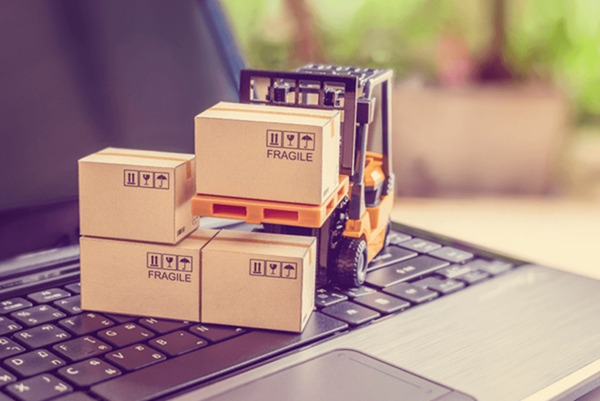
Let’s take a scenario where a warehouse team is packaging products for shipment, aiming to fit as much as possible into each box without exceeding weight limits. For companies shipping thousands of packages daily, even minor discrepancies or anomalies can add up to significant costs. This is where AI’s package optimization capabilities come into play, transforming what was once an art into a science.
Dimensional Weight Optimization uses ML algorithms to calculate the ideal box size based on both weight and volume. This technology ensures that packages utilize the available space efficiently, reducing unnecessary bulk and minimizing shipping expenses. Imagine a machine learning system that, over time, learns the best packing configurations, reducing empty space thereby optimizing the use of packaging materials.
For high-volume shippers, this translates into not just cost savings but also a significantly less environmental footprint. Every inch of space saved means fewer trucks on the road and less packaging waste, an outcome that aligns with sustainability goals and enhances overall operational efficiency.
Networks Optimized Intelligently: Streamlined Routes in Real-time

Logistics 4.0 is all about ensuring seamless last-mile deliveries which results in enhanced satisfaction at an individual and personal level for customers, along with accelerating the performance of relief operations. Machine learning techniques and algorithms contribute to key components of route optimization such as the collection of relevant and clean data, advanced feature engineering, making the right choice of algorithms based on the complexity of the scenarios, training models on historical data to establish a correlation between the input variables and the optimal routes which finally results in route optimization.
Sustained gains fore-seeded
Hence, summing up, AI & ML is here to stay in manufacturing logistics and will only improve operational efficiency at lowered costs, benefiting manufacturers and their end clients. In addition, at every touch point, it is set to make a significant difference.
Reference sites consulted
https://www.researchgate.net/publication/